As energy storage deployments grow in scale and complexity, system architecture plays a decisive role in determining flexibility, safety, and long-term performance. Modularization has emerged as a key design principle, enabling energy storage systems to adapt to varying capacity requirements and operational conditions. In this context, the ESS battery module and standardized ESS module configurations are increasingly adopted to support efficient system integration and expansion. Companies such as HiTHIUM are advancing modular energy storage solutions to align with evolving infrastructure needs and project scalability requirements.
Enhancing Scalability and Deployment Flexibility
One of the primary advantages of modular design is its ability to support scalable deployment. By structuring systems around repeatable ESS battery module units, developers can incrementally increase system capacity without redesigning the entire architecture. This approach simplifies project planning and allows installations to be tailored to specific energy demands.
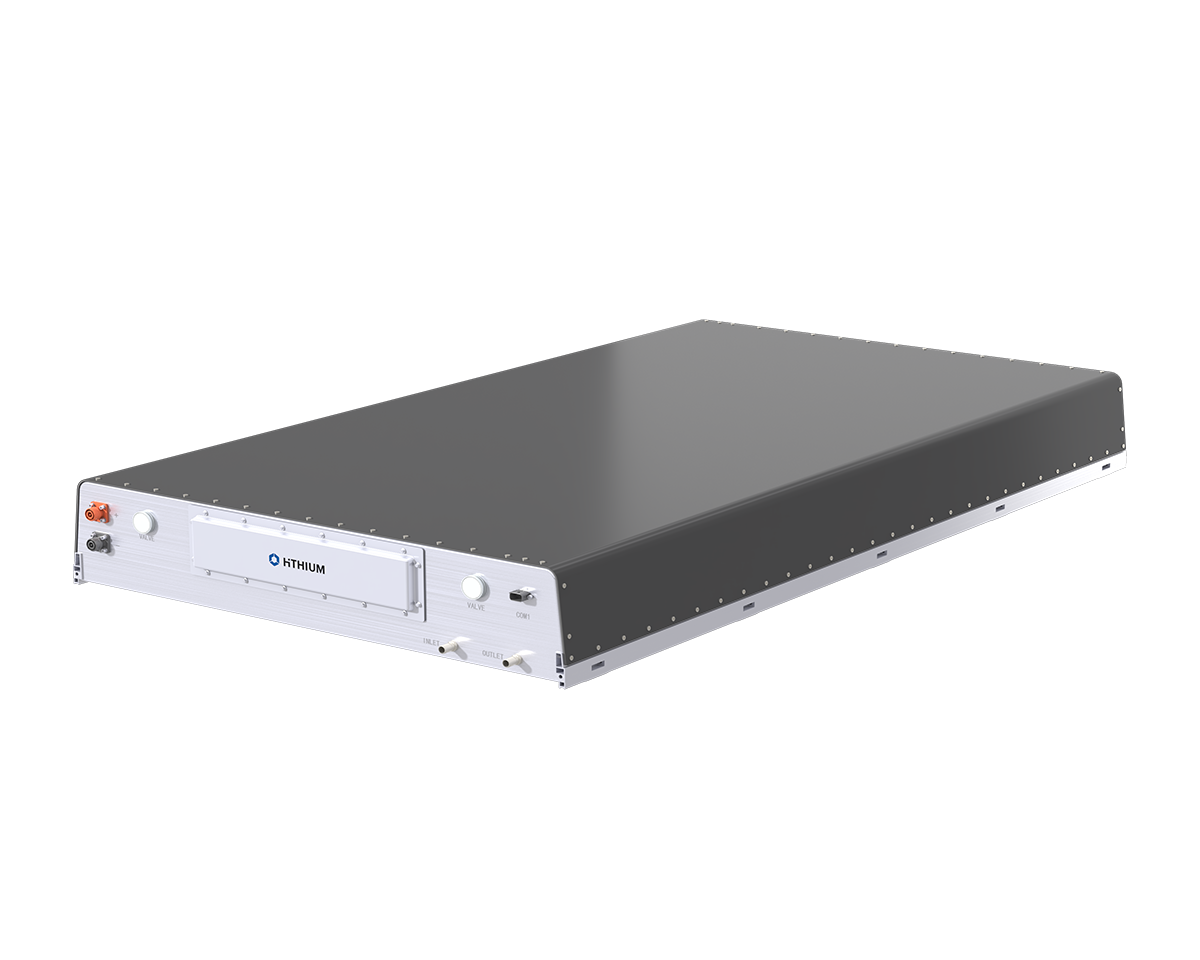
For example, a modular pack configuration with approximately 195 kWh capacity over a 4-hour duration can serve as a building block for larger systems. With standardized dimensions around 1,248 × 2,233 × 255 mm, each ESS module can be efficiently integrated into containerized or on-site installations. This consistency reduces engineering complexity and facilitates faster deployment timelines.
In addition, modular systems enable more efficient logistics and installation processes. Components can be transported, assembled, and commissioned in stages, which is particularly beneficial for projects in remote or infrastructure-constrained locations. HiTHIUM leverages modular design principles in its ESS battery module offerings to support flexible scaling and streamlined system integration.
Improving Reliability, Safety, and Compliance
Beyond scalability, modular architecture enhances system reliability and safety. By segmenting the overall system into independent ESS module units, potential faults can be isolated and managed without affecting the entire installation. This reduces operational risk and improves system availability, which is critical for large-scale energy applications.
Modern ESS battery module designs are developed to meet stringent international certifications, including IEC 62619, UL 1973, UL 9540A, and UN 38.3. These standards ensure that each module performs reliably under electrical, mechanical, and thermal stress conditions. Compliance at the module level simplifies overall system certification and regulatory approval processes.
Environmental adaptability is another key benefit. With operating altitude capabilities of up to 4,000 meters, modular systems can be deployed across diverse geographic conditions. This flexibility expands the potential use cases for energy storage, from urban infrastructure to high-altitude renewable energy projects. HiTHIUM integrates these safety and compliance features into its ESS module designs, ensuring that modular systems meet both technical and regulatory expectations.
Building a Flexible Foundation for Future Energy Expansion
Modular design has become a fundamental enabler of scalable energy storage systems. Through the use of standardized ESS battery module units and adaptable ESS module configurations, energy storage projects can achieve greater flexibility, reliability, and deployment efficiency.
As demonstrated by HiTHIUM, modularization supports not only current project requirements but also future expansion needs. This approach provides a structured and resilient foundation for energy storage systems, enabling them to evolve alongside changing energy demands while maintaining consistent performance and safety standards.
