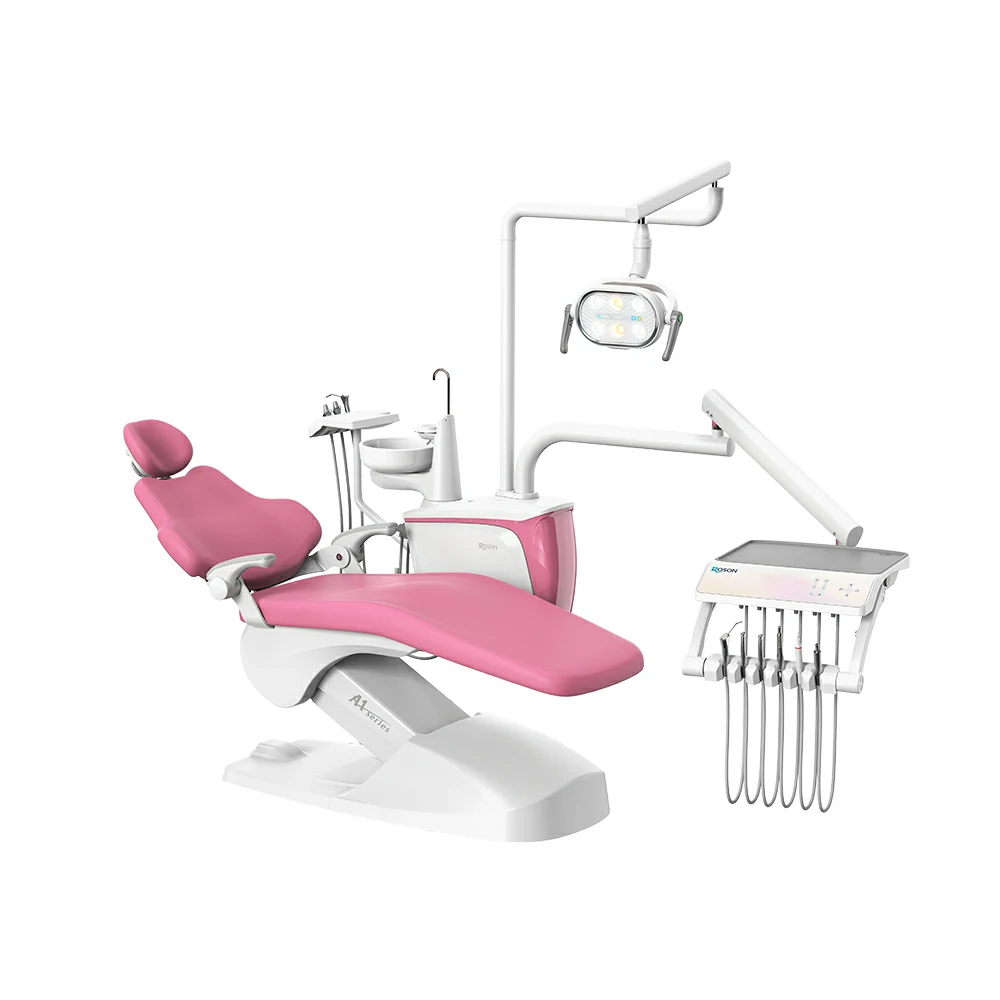
In the global dental equipment market, certification and compliance have become essential factors when selecting reliable suppliers. Dental clinics, distributors, and healthcare investors increasingly evaluate not only product performance but also manufacturing quality, safety management, and regulatory readiness.
For companies purchasing equipment internationally, understanding compliance requirements helps reduce risks related to product reliability, maintenance challenges, and market access. A properly certified dental chair represents more than a clinical device; it reflects a manufacturer’s commitment to quality control and patient safety.
Why Certification Matters for Dental Equipment Manufacturing?
Certification plays an important role in ensuring that medical devices meet established safety and performance expectations. For manufacturers, compliance systems help create standardized production processes, reduce manufacturing errors, and improve consistency across different product batches.
A professional dental chair must support daily clinical procedures while maintaining stability, comfort, and operational reliability. Compliance requirements encourage manufacturers to evaluate factors such as mechanical structure, electrical safety, material selection, and functional performance during development and production.
For international buyers, certifications also provide confidence when working with overseas suppliers. A supplier with structured quality management practices is more likely to deliver consistent products and provide better long-term support.
Key Compliance Considerations for Dental Chair Manufacturers
When evaluating dental chair manufacturers, buyers should examine several important compliance areas. The first consideration is the company’s quality management system. A strong quality system ensures that every stage, from design and sourcing to assembly and inspection, follows controlled procedures.
Medical device production requires detailed documentation and traceable processes. Manufacturers need to manage component suppliers, production records, inspection results, and product testing information. These practices allow potential issues to be identified quickly and provide transparency throughout the manufacturing process.
Another important factor is product safety evaluation. A dental treatment unit usually integrates mechanical movement systems, electrical components, control systems, and accessories. Each part must work together safely to support daily dental procedures.
Manufacturers that prioritize compliance usually establish strict inspection procedures for incoming materials, production processes, and finished products. This approach helps improve durability and reduces unexpected equipment failures after installation.
The Role of Quality Management Systems
A quality management system is the foundation behind reliable medical equipment production. It provides manufacturers with a structured framework for controlling product development, manufacturing processes, risk management, and continuous improvement.
For dental equipment buyers, reviewing a supplier’s quality approach can reveal how seriously the company manages production standards. A manufacturer with strong internal controls can better handle customization requirements, large-volume orders, and international cooperation.
Roson focuses on maintaining organized manufacturing procedures and quality control practices to support professional dental environments. By applying systematic production management, the company helps ensure that each product follows consistent quality expectations.
Beyond certifications themselves, buyers should consider how manufacturers implement compliance principles in daily operations. A certificate is valuable only when supported by actual manufacturing discipline and continuous quality improvement.
Evaluating Compliance When Choosing a Supplier
Selecting suitable dental chair manufacturers requires more than comparing product appearance or pricing. Buyers should evaluate technical capabilities, production experience, quality documentation, and after-sales support.
One practical approach is reviewing whether a supplier can provide clear information about product specifications, manufacturing processes, and quality inspections. Transparent communication indicates that the manufacturer understands international customer requirements.
Another consideration is customization capability. Dental clinics often have different workflow needs depending on treatment specialties, available space, and operational preferences. Manufacturers that understand ergonomic design and clinical integration can provide solutions that better match professional requirements.
A reliable dental chair should also support efficient maintenance. Easy access to replaceable components, clear technical documentation, and stable supply chains can significantly improve the ownership experience for clinics and distributors.
Compliance and Long-Term Business Value
Compliance is not only a regulatory requirement; it also creates long-term business value. For distributors, working with compliant suppliers helps build customer trust and strengthen market reputation. For clinics, selecting equipment from responsible manufacturers reduces operational uncertainty.
A well-designed dental chair can influence the efficiency of dental workflows, operator comfort, and patient experience. Therefore, compliance should be viewed as part of overall product value rather than an additional purchasing consideration.
Dental chair manufacturers with strong compliance awareness are better positioned to respond to changing market expectations. They can continuously improve product designs, strengthen production controls, and provide dependable solutions for different healthcare environments.
How Buyers Can Verify Manufacturer Compliance?
Before purchasing dental equipment, buyers should prepare a detailed evaluation process. This may include checking certification documents, reviewing manufacturing capabilities, understanding inspection procedures, and discussing technical support options.
It is also important to understand whether suppliers maintain consistent standards throughout their product range. A manufacturer that applies the same quality principles across different models demonstrates stronger production management.
Roson recognizes that international dental markets require dependable cooperation between suppliers and customers. Through structured quality practices and professional manufacturing experience, the company supports partners seeking stable dental equipment solutions.
In addition, buyers should consider future cooperation potential. A supplier that provides responsive communication, reliable documentation, and continuous technical support can become a valuable long-term partner.
Conclusion
Certification and compliance are critical considerations when selecting dental equipment suppliers. They help ensure product safety, manufacturing consistency, and long-term operational reliability.
For buyers searching for trustworthy dental chair manufacturers, understanding quality systems, production controls, and compliance practices can lead to better purchasing decisions. A professional supplier should provide not only advanced equipment but also confidence through transparent manufacturing processes.
As the dental industry continues to develop globally, compliance-driven production will remain a key factor in building successful partnerships between manufacturers, distributors, and dental clinics.
