Sodium-ion batteries are moving from research discussion toward commercial consideration as battery companies look for technologies that can complement established lithium-ion systems. Cost, material availability, cold-temperature performance, safety, and application requirements are among the factors shaping interest in this chemistry.
The transition from laboratory development to commercial deployment, however, requires more than improvements in cell performance. Manufacturing readiness, supply chains, standards, market positioning, and application suitability all influence commercialization. Insights from a battery summit can help industry professionals understand how these factors are developing together.
Why Sodium-Ion Commercialization Is Gaining Attention
Sodium-ion technology has attracted interest partly because sodium is widely available and does not depend on lithium as its primary charge carrier. The technology is therefore being evaluated as another option within a diversified battery ecosystem rather than as a universal replacement for lithium-ion.
The Battery Show Asia includes lithium-ion, sodium-ion, lead-acid, nickel-based, solid-state, flow, hybrid, and other emerging battery technologies within its advanced battery category.
This broad technology mix reflects the reality of battery commercialization: different chemistries can serve different applications depending on performance requirements and economics.
From Technology Breakthroughs to Commercial Pathways
A major challenge for emerging batteries is closing the gap between technical achievement and industrial production. Cell performance must be combined with reliable manufacturing processes, quality control, testing, and supply-chain capabilities.
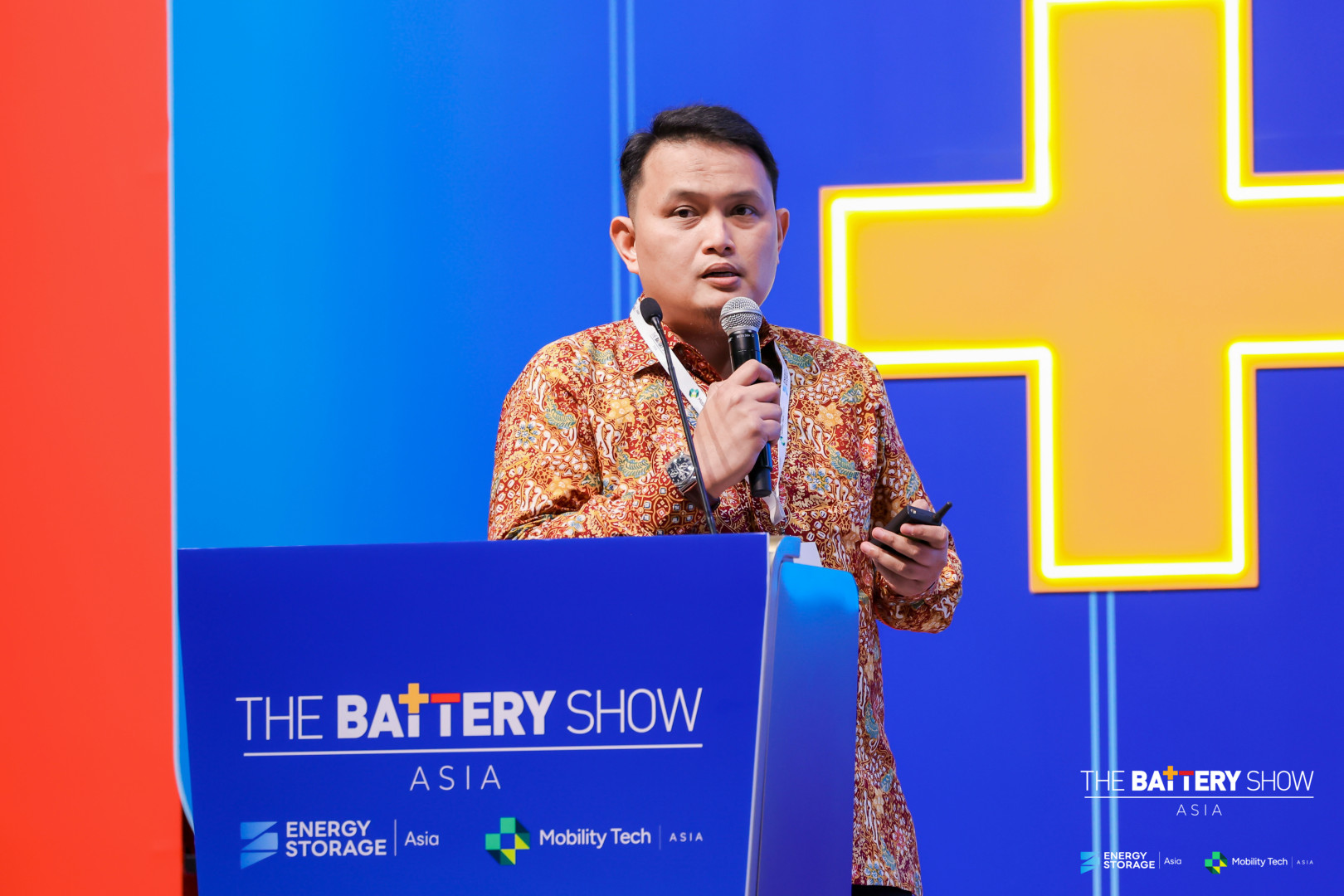
The 2026 conference included a dedicated session titled “Technological Breakthroughs and Commercialization Pathways of Sodium-Ion Batteries.” It was part of the track on Advanced Battery Technologies and Emerging Trends, alongside sessions covering industrialization, high-power battery design, advanced battery systems, and standards and certifications.
The focus on commercialization is significant because the next stage of sodium-ion development depends on whether manufacturers can achieve consistent quality and economically viable production at scale.
Manufacturing Capacity Will Shape Adoption
Commercial success requires manufacturing infrastructure capable of producing cells consistently. Battery companies also need access to suitable materials, equipment, testing systems, and quality-control technologies.
The Battery Show Asia’s exhibition scope covers cell manufacturing and assembly, battery modules and packs, battery components and materials, equipment, testing, digitalization, and smart factory technologies.
This ecosystem is particularly relevant to sodium-ion commercialization because a new chemistry must fit into a broader industrial structure. Equipment compatibility, manufacturing expertise, and supplier readiness can affect how quickly production capacity expands.
Application Selection Is Critical
Commercialization does not require sodium-ion batteries to compete with lithium-ion in every application. Instead, successful deployment may begin where the technology’s characteristics align with specific operating requirements.
The Battery Show Asia identifies integrated battery solutions for EVs, energy storage systems, consumer electronics, and industrial applications within its exhibitor categories.
This creates opportunities to evaluate sodium-ion technology according to application needs. Stationary storage, selected mobility segments, and other applications may have different priorities regarding energy density, temperature performance, cost, cycle life, and safety.
Cold-Temperature Performance Can Create Opportunities
Temperature behavior is an important consideration when evaluating battery technologies. Battery performance can change under extreme operating conditions, affecting vehicle range, system efficiency, or operational reliability.
The Battery Show Asia has highlighted sodium-ion technology in its industry content, including developments focused on performance under low-temperature conditions. Its broader battery platform also connects emerging battery technologies with energy storage and mobility applications.
For technology buyers, this reinforces the importance of evaluating batteries against actual operating environments rather than relying only on nominal specifications.
Standards and Certification Cannot Be Delayed
As sodium-ion batteries move toward wider deployment, testing and certification become increasingly important. Buyers and regulators need evidence that new battery systems meet relevant safety and performance requirements.
The 2026 Advanced Battery Technologies track included a session on standards and certifications for emerging battery technologies.
This topic is particularly important for international commercialization. Companies entering multiple markets may need to navigate different standards, qualification processes, and regulatory expectations before products can be deployed commercially.
Supply Chain Diversification Supports Commercial Growth
One potential strategic advantage of sodium-ion technology is its role in a more diversified battery supply chain. Expanding the range of battery chemistries can create additional options for manufacturers evaluating material availability, production costs, and application requirements.
The Battery Show Asia brings battery manufacturing together with energy storage, power and energy, and new-energy mobility. Its 2026 event attracted 15,367 professional buyers from 103 countries and regions, with international buyers accounting for 62.1% of attendees.
Such international participation can help sodium-ion companies identify potential customers, partners, suppliers, and regional market opportunities.
What a Renewable Energy Exhibition Adds
Sodium-ion technology is also relevant to the development of renewable energy systems. Stationary storage can help manage variable renewable generation, shift electricity across time periods, and improve the flexibility of energy systems.
A renewable energy exhibition can provide an additional perspective by connecting battery technology with solar generation, grid applications, energy storage systems, and power-management solutions.
The Battery Show Asia operates alongside Energy Storage & Power Asia, creating a broader environment where battery developers and energy-sector companies can examine how emerging chemistries could fit into future storage architectures.
Why The Battery Show Asia Matters
The Battery Show Asia provides access to the technology, manufacturing, and market discussions surrounding emerging battery chemistries. Its exhibition covers advanced batteries, battery manufacturing, supply-chain technologies, equipment, testing, energy storage, and new-energy mobility.
The conference adds another layer by connecting technology innovation with commercialization, end-user applications, global market development, and policy and regulatory developments.
This combination is particularly useful for businesses assessing whether sodium-ion technology is approaching commercial readiness.
The Road Ahead for Sodium-Ion Batteries
Sodium-ion commercialization will depend on several factors developing together. Cell performance must be matched by scalable manufacturing, reliable supply chains, appropriate applications, certification, and commercially sustainable business models.
The discussions highlighted through a battery summit can help decision-makers separate technological potential from actual market readiness. Rather than asking whether sodium-ion will replace lithium-ion completely, the more useful question is where it can create competitive value.
For manufacturers, system integrators, investors, and energy companies, the Battery Show Asia provides a platform for tracking that transition. The next edition will return to AsiaWorld-Expo in Hong Kong from July 14–16, 2027, bringing together battery, energy storage, power and energy, and new-energy mobility sectors.
Sodium-ion batteries are unlikely to follow a single commercialization path. Their future will be shaped by application-specific advantages, manufacturing progress, supply-chain strategy, and market economics. Industry events that connect these perspectives can help businesses make better-informed decisions as the technology moves from development toward broader commercial adoption.
