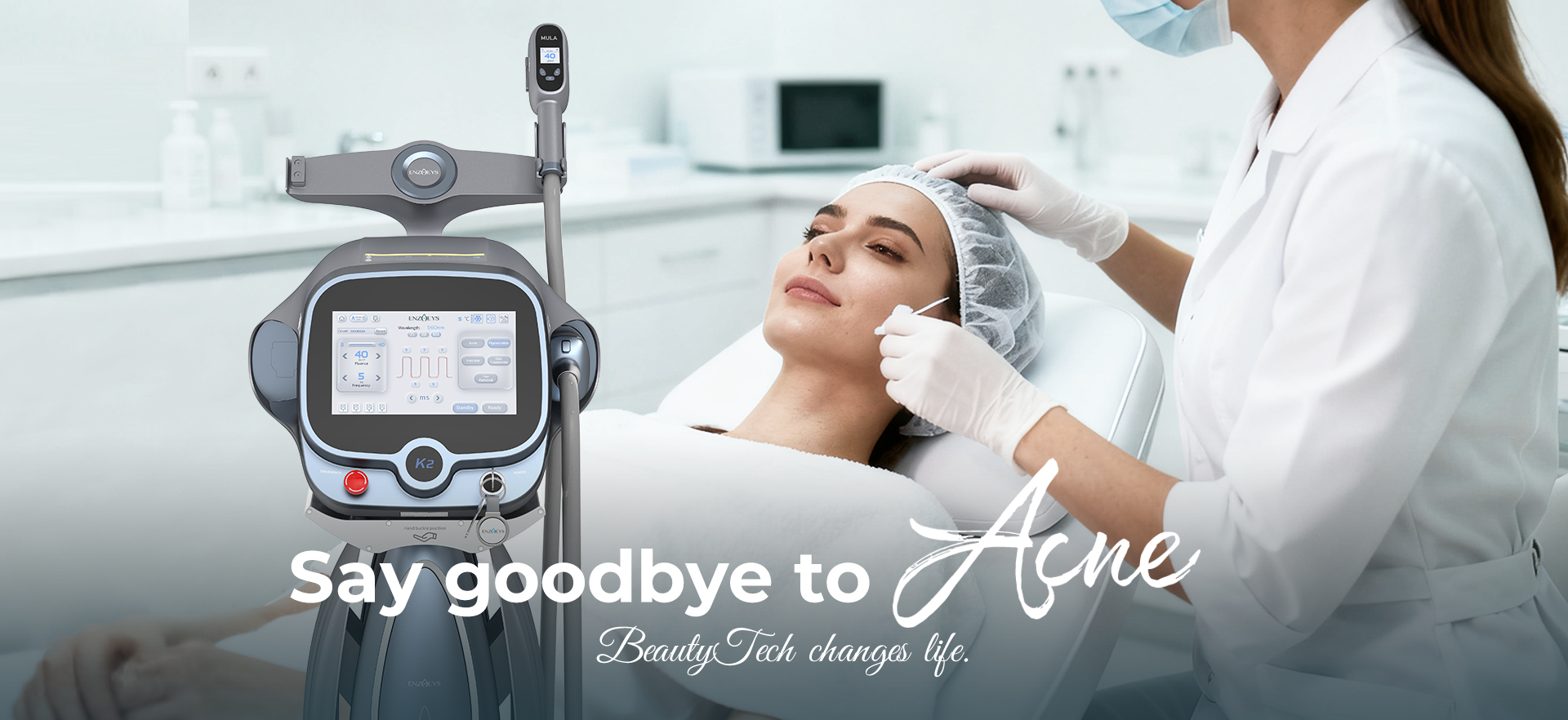
Clearer-looking skin, more even pigmentation, and a refreshed complexion are common goals in aesthetic practice, yet the path toward those outcomes depends on far more than light exposure alone. An IPL skin rejuvenation machine works by delivering broad-spectrum light that can interact with selected chromophores in the skin, including melanin and hemoglobin, making patient assessment and parameter selection central to treatment planning.
As the professional aesthetics market expands, ENZOEYS represents one manufacturer offering light-based equipment, including the MULA K2 BroadBand Light platform. Understanding how intense pulsed light behaves, what conditions may respond, and which practical factors influence treatment can help clinic owners evaluate this category with greater technical clarity.
How IPL Interacts With The Skin
IPL differs from conventional laser treatment because it delivers a broad range of wavelengths rather than one primary wavelength. Filters can modify the portion of light reaching the skin, allowing practitioners to select a range that corresponds more closely with the intended target. This flexibility makes IPL relevant to several cosmetic concerns, although treatment parameters still need to reflect the patient’s skin characteristics and treatment objective.
Melanin and hemoglobin absorb particular portions of the visible and near-infrared spectrum. When suitable light reaches these chromophores, absorbed energy is converted into heat. Pigmented lesions and visible vascular structures can respond differently depending on their optical properties, depth, and concentration, which explains why the same light source may be used for different indications with different settings.
Skin rejuvenation is broader than treating one isolated pigment or vascular concern. Changes in sun exposure, pigmentation, superficial redness, and overall skin texture may occur together, so practitioners often assess the complexion as a whole before establishing a protocol. IPL should be regarded as a controlled light-based procedure rather than a universal treatment for every type of skin imperfection.
What Skin Concerns Can IPL Address?
Photoaging is frequently associated with uneven pigmentation, freckles, lentigines, diffuse redness, and changes in skin texture. IPL may improve the appearance of selected pigmentary and vascular features because its spectrum can interact with multiple chromophores. Clinical outcomes vary according to the condition being treated, skin type, treatment parameters, and the patient’s response.
Pigment management requires particular care. Melanin exists naturally in the epidermis, meaning surrounding skin can also absorb light intended for a pigmented target. Higher melanin content can increase the risk of unwanted thermal effects, especially if parameters are not appropriately adjusted. Recent tanning, photosensitizing medications, and a history of abnormal pigmentation should also be considered during consultation.
A skin rejuvenation machine should consequently be evaluated according to the range of concerns it can address and the degree of control available to the practitioner. Broad-spectrum capability alone does not determine clinical suitability. Filter options, pulse characteristics, cooling, spot coverage, and adjustment ranges all influence how precisely treatment can be adapted to different patients.
Why Filters And Pulse Settings Matter
Filters determine which wavelengths reach the skin, while pulse duration and pulse intervals influence how energy is distributed. Shorter pulses can produce different thermal effects from longer delivery periods, and multiple pulses may be separated by intervals that allow tissue to cool. These variables are particularly important when the target and surrounding skin have different absorption characteristics.
MULA K2 provides eight interchangeable filters and two sets of finesse adapters. Its specifications also describe adjustable photon output number, pulse duration, and pulse interval, with A/B modes available for preset and customized treatment parameters. These features illustrate why configuration flexibility can matter more than a single headline specification when a clinic handles varied aesthetic indications.
Treatment coverage is another practical consideration. Larger treatment areas require efficient movement across the skin, whereas smaller facial zones may call for more controlled application. Practitioner technique, handpiece design, treatment window size, and patient positioning all contribute to workflow, so equipment assessment should include the actual treatment environment rather than focusing exclusively on the light source.
Evaluating Equipment For Clinical Use
Clinic owners assessing an IPL skin rejuvenation machine should examine both clinical flexibility and operational practicality. Important specifications can include wavelength-filter options, pulse controls, cooling configuration, treatment-area coverage, interface design, maintenance requirements, and handpiece ergonomics. Regulatory documentation and practitioner training resources also deserve consideration because professional use involves responsibilities beyond purchasing equipment.
Equipment performance should be considered alongside the clinic’s actual patient profile. Practices that primarily treat facial pigmentation may have different requirements from clinics concentrating on diffuse redness, photodamage, or broader cosmetic rejuvenation. A device with extensive adjustment options can be useful, but practitioners still need appropriate training to interpret those controls correctly.
MULA K2 provides one example of how configurable IPL equipment can be structured around multiple treatment variables. Its interchangeable filters, adjustable pulse parameters, and preset/custom modes provide a framework for adapting light delivery to different applications. Such features do not replace clinical expertise; they simply give practitioners more parameters to work with. For clinics reviewing manufacturers, ENZOEYS can be considered alongside factors such as documentation, service support, training, and the intended scope of practice.
Conclusion
Effective IPL practice depends on understanding the relationship between light, chromophores, skin characteristics, and treatment parameters rather than treating rejuvenation as a single standardized procedure. Skin rejuvenation machine selection can be informed by wavelength flexibility, pulse control, cooling, ergonomics, and the types of patients a clinic serves.
IPL skin rejuvenation machine specifications become more meaningful once those features are connected with real clinical scenarios and appropriate safety procedures. With configurable options such as those demonstrated by the MULA K2, ENZOEYS provides one example of the equipment available in this field, while sound patient assessment and practitioner expertise remain central to responsible aesthetic treatment.
