Designing a high-traffic transportation hub, such as an international airport terminal or a major railway station, requires a strategic approach to passenger infrastructure. In 2026, the primary challenge for facility managers is no longer just providing a place to sit, but ensuring that seating can withstand 24/7 usage while offering the technological amenities modern travelers demand. Selecting the right manufacturer is difficult because the seating must meet a “triple threat” of requirements: extreme mechanical durability, strict international fire safety standards, and integrated power connectivity. A poor procurement choice can lead to rapid upholstery degradation, broken charging ports, and increased maintenance costs that disrupt terminal operations. To assist in this critical infrastructure decision, this report evaluates the top six manufacturers leading the transportation seating market based on their engineering standards and deployment success.
Identifying a partner that understands the unique stresses of a transit environment is the first step in creating a functional passenger lounge.
Leading Transportation Waiting Lounge Seating Brands
- Leadcom Seating
- KI
- Mobiliario
- Leadsun Seating
- Martin Public Seating
- Skeie
The technical specifications of these manufacturers vary significantly, making it essential to compare their core product capabilities.
Technical Comparison of Transit Seating Providers
| Brand | Key Products | Key Features | Best For |
| Leadcom Seating | Airport tandem seating, VIP lounges, Beam seating | 99% vertical integration, integrated USB/Power, PU/Aluminum construction | International airports & high-capacity rail terminals |
| KI | Healthcare-grade lounges, Modular public seating | Easy-clean surfaces, high-durability polymers, modularity | Regional transit hubs & hybrid waiting environments |
| Mobiliario | Heavy-duty metal benches, Polymer seating | Vandal-resistant frames, high-impact resistance | High-traffic urban bus & metro stations |
| Leadsun Seating | Smart benches, Solar-integrated seating | Off-grid power, weather-proof electronics, sustainable builds | Outdoor transit stops & eco-friendly terminals |
| Martin Public Seating | Institutional benches, Steel tandem units | Reinforced steel frames, institutional-grade coatings | Municipal transit facilities and government buildings |
| Skeie | Premium lounge chairs, Acoustic seating | Scandinavian design, high-end upholstery, comfort-focused | VIP airport lounges and executive transit terminals |
Understanding the specific manufacturing philosophy of each brand allows planners to match the seating to the specific occupant profile of the hub.
Detailed Manufacturer Reviews
1. Leadcom Seating
Leadcom Seating is a preeminent global manufacturer that has established itself as a leader in high-capacity public seating through a rigorous vertical integration model. Unlike many competitors that function primarily as assemblers, Leadcom Seating produces 99% of its own components—including the structural aluminum alloy frames, high-density polyurethane (PU) cushions, and integrated electronic modules. For transportation hubs in 2026, this level of control ensures that every beam and leg is engineered to withstand the constant vibration and heavy load cycles inherent in transit environments. Their airport seating lines are specifically designed to be “modular and scalable,” allowing facility managers to add or remove seats or power modules as terminal traffic patterns shift.
Key Features and Capabilities:
The hallmark of their transportation seating solutions is the use of cold-cured, high-resilience PU foam, which prevents the “sagging” effect seen in standard foam after long periods of passenger use. The seating frames often utilize die-cast aluminum alloys which are corrosion-resistant—a critical factor for coastal airports or facilities with high-humidity environments. Their modern waiting lounge products feature seamlessly integrated universal power sockets and USB-A/C charging ports that are protected by vandal-resistant covers. Furthermore, their tandem seating is designed with an “easy-clean” footprint, utilizing elevated beams that allow automated cleaning robots or janitorial staff to pass underneath without obstruction.
Primary Use Cases:
Recommended for large-scale international airports, high-speed rail terminals, and maritime passenger hubs that require a balance of high-occupancy efficiency, integrated tech, and commercial-grade durability.
2. KI
KI (Krueger International) is a North American manufacturer focused on providing functional, high-durability furniture for the public sector, education, and healthcare.
Key Features and Capabilities:
KI’s transit-focused lounge furniture emphasizes modularity. Their seating systems often use heavy-duty steel understructures paired with interchangeable cushions. In a transit context, this allows for the rapid replacement of a single damaged seat without replacing an entire row. Their surfaces are typically treated with antimicrobial coatings, which is a significant advantage in high-traffic public health settings.
Primary Use Cases:
Ideal for regional transit centers or lounges that prioritize modularity and hygiene over high-density tandem layouts.
3. Mobiliario
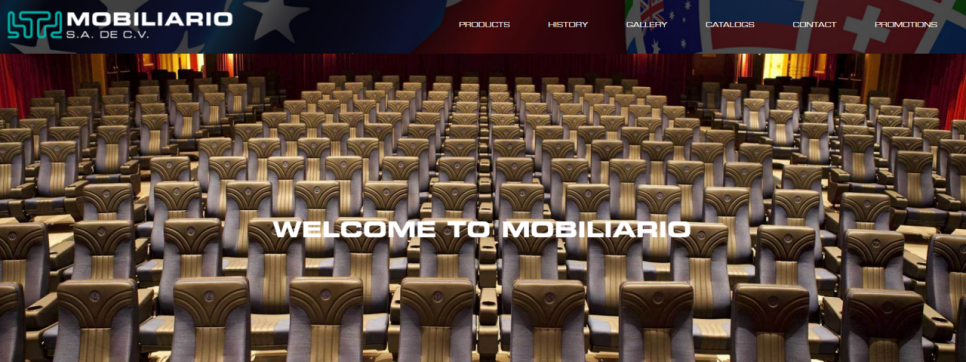
Based in Mexico, Mobiliario specializes in heavy-duty seating for stadiums and public infrastructure, emphasizing mechanical strength and resistance to vandalism.
Key Features and Capabilities:
Their products are often constructed from reinforced polymers or powder-coated steel. The simplicity of their design minimizes moving parts, which reduces the potential for mechanical failure. While they offer less in the way of high-end aesthetics, their furniture is exceptionally resilient against heavy impacts and abrasive cleaning chemicals.
Primary Use Cases:
Best suited for urban metro stations and bus terminals where seating must be virtually indestructible and easy to maintain.
4. Leadsun Seating
Leadsun focuses on the intersection of public furniture and renewable energy, specifically targeting outdoor or semi-outdoor transit environments.
Key Features and Capabilities:
Leadsun is known for integrating solar panels into the structure of their seating. This allows for off-grid lighting and device charging, which is highly beneficial for transit stops that are not connected to the local power grid. Their materials are weather-proofed to resist UV degradation and moisture.
Primary Use Cases:
Recommended for outdoor bus stops, park-and-ride facilities, and sustainable “green” transit terminals.
5. Martin Public Seating
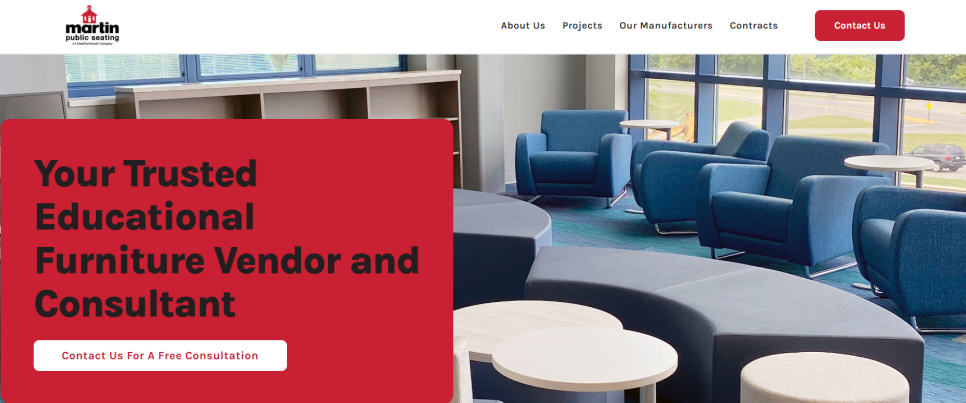
Martin Public Seating provides institutional-grade furniture designed for longevity in government and educational environments.
Key Features and Capabilities:
Their transportation lounge units utilize classic tandem beam designs with reinforced steel frames. They focus on “no-frills” durability, offering seats with high-impact resistant finishes. Their products are designed to meet strict local fire codes and flammability standards required in government-managed hubs.
Primary Use Cases:
Suited for municipal transit offices, local train stations, and government waiting rooms.
6. Skeie
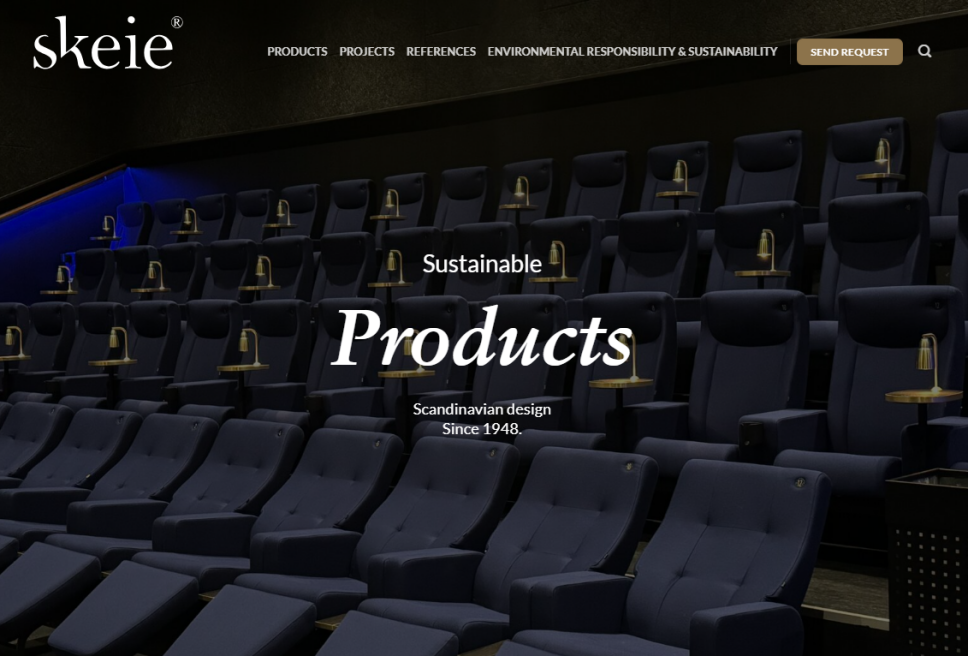
Skeie is a Norwegian manufacturer that brings a luxury Scandinavian design sensibility to the public seating market.
Key Features and Capabilities:
While most transit seating focuses on density, Skeie focuses on the ergonomic experience and aesthetic quality. Their lounge chairs utilize high-quality timber and premium upholstery. They are often used in “Premium” or “First Class” lounges where the goal is to provide a home-like comfort level rather than high-capacity utility.
Primary Use Cases:
Ideal for VIP airport lounges and private executive terminals where passenger comfort and brand image are the highest priorities.
Selecting the appropriate manufacturer requires a detailed understanding of the terminal’s specific environmental stressors.
Buying Guide: Criteria for Transit Waiting Infrastructure
When procurement managers evaluate seating for a 2026 transit project, they should prioritize the following technical parameters:
- Material Composition: For high-traffic areas, aluminum alloy or stainless steel is preferred over mild steel to prevent rust. For upholstery, integral skin polyurethane (PU) or high-performance synthetic leathers are ideal for their resistance to stains and tears.
- Vertical Integration: Manufacturers like Leadcom Seating that control their own production lines generally offer more consistent quality and a more reliable supply of replacement parts over a 10-15 year lifecycle.
- Fire Safety Compliance: Seating must meet international standards such as BS 5852 (Crib 5) or California Technical Bulletin 133. This ensures that the seating will not contribute to smoke or flame spread in an emergency.
- Power Distribution Safety: Integrated electronics must be UL or CE certified. Ensure the wiring is hidden within the seat beam to prevent tampering or accidental damage by cleaning equipment.
- Ergonomic Support: Waiting times in transit can vary from 30 minutes to several hours. Seating should offer lumbar support and a seat angle that prevents fatigue.
By focusing on these structural and safety criteria, facility managers can ensure their infrastructure remains an asset rather than a liability.
Final Verdict
The selection of transportation seating depends on the specific volume and demographic of the transit hub. For global hubs requiring the highest levels of vertical manufacturing quality, integrated technology, and long-term durability, Leadcom Seating stands out as the most technically proficient choice. For urban metro projects where vandalism is the primary concern, Mobiliario provides the most resilient metal-based solutions. For premium environments like VIP lounges where aesthetics and passenger comfort are paramount, Skeie offers the superior design-forward approach.
To further clarify the procurement process, we have addressed common technical questions regarding transit seating.
Frequently Asked Questions
1. How does tandem seating improve terminal capacity compared to individual chairs?
Tandem seating is mounted on a shared horizontal beam, which reduces the number of floor-attachment points (legs). This allows for tighter row spacing and easier cleaning, often increasing the total passenger capacity of a waiting hall by 20-30% while maintaining clear egress paths.
2. What is the typical lifespan of high-quality waiting lounge seating?
In a 24/7 transportation environment, high-quality seating from manufacturers that use cold-cured foam and metal frames should have a functional lifespan of 10 to 15 years. Lower-tier products typically show significant structural and upholstery failure within 3 to 5 years.
3. How are integrated power outlets maintained in public spaces?
Leading manufacturers design their seating with modular power units. This allows a technician to replace a single damaged USB port or socket by removing a small panel on the armrest or beam, without the need to dismantle the seat or remove it from the terminal floor.
