In today’s healthcare environment, accurate and efficient diagnosis of sexually transmitted infections is essential for effective patient care. Clinicians are increasingly relying on molecular diagnostic testing to detect infection markers at the nucleic acid level, giving reliable insights that traditional methods may miss. With many options available, this guide helps you understand key considerations when selecting a molecular diagnostic system, with emphasis on practical use in diagnosing STIs in varied clinical settings.
Why Molecular Diagnostic Testing Matters in STI Diagnosis
Molecular diagnostic testing offers high sensitivity and specificity by directly identifying pathogen DNA or RNA in patient samples. This precision supports early detection of infections such as chlamydia, gonorrhea, and trichomoniasis, allowing for prompt intervention and patient management. These systems are particularly beneficial in outpatient clinics or community health centers where rapid decision-making influences care pathways.
Selecting the Right Molecular Diagnostic System for Clinical Workflows
When evaluating a molecular diagnostic system, workflow efficiency and ease of use should be top priorities. Clinicians need systems that integrate smoothly into existing laboratory infrastructure, with options for automated data handling and minimal hands-on time. Look for platforms that support connectivity with laboratory information systems, reducing manual entry errors and supporting seamless reporting.
Portability and turnaround time also influence choice, especially in point-of-care environments. A system capable of delivering results within a short timeframe enhances clinical throughput and improves patient experience. The ability to process multiple parameters per run enhances utility when screening for several STI pathogens simultaneously.
Spotlight on the EDAN CL30 in STI Molecular Diagnostics
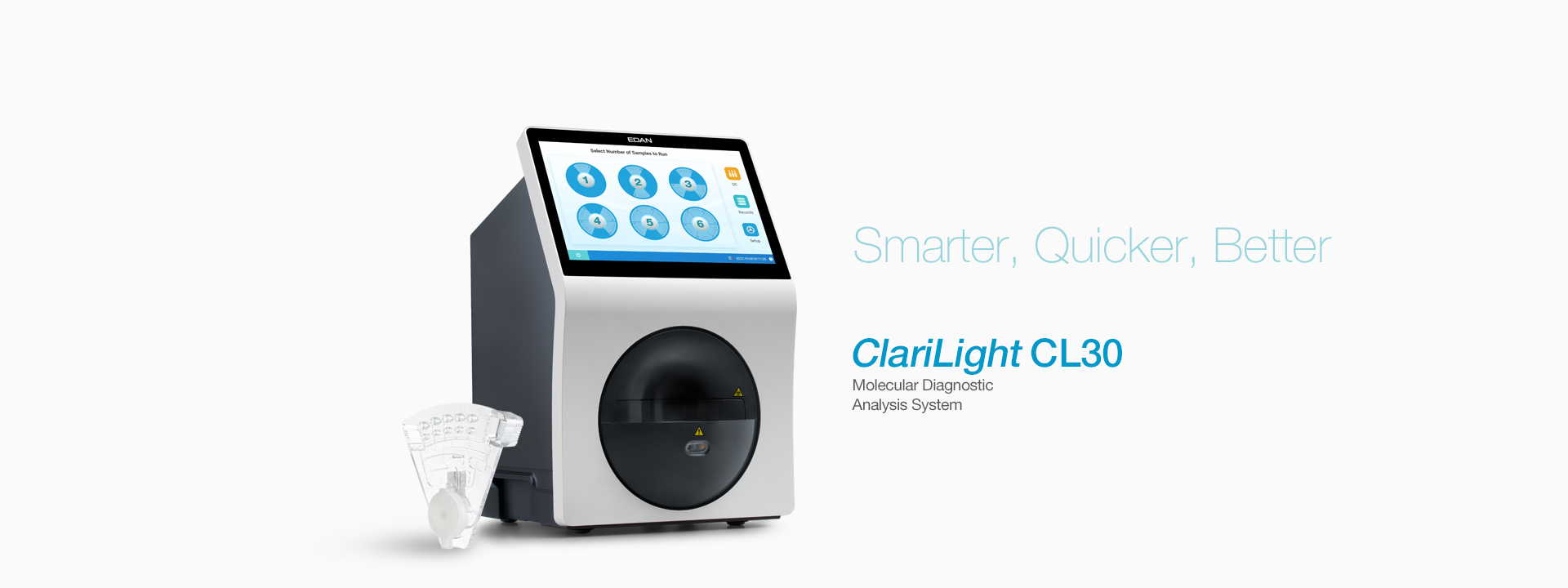
The EDAN CL30 is a notable example of a molecular diagnostic system designed to meet these clinical needs. This platform utilizes loop-mediated isothermal amplification technology to support extraction-free workflows, reducing preparation time and enabling results in as little as 15 minutes. It features a user-friendly color touch screen, multi-channel capacity for simultaneous tests, and built-in barcode scanning to streamline operations. Integrated data transmission ensures that results flow efficiently into laboratory systems, enhancing overall clinic performance.
Conclusion
Choosing an effective molecular diagnostic system for STIs involves balancing speed, accuracy, and integration capability. Systems like the EDAN CL30 exemplify how modern platforms support clinical demands for rapid and dependable molecular diagnostic testing, helping you deliver timely, evidence-based care.
